
Planet Zoo 2 Is Out: Release Details, Reviews, Price, and What’s New
Seven years after the original built one of the most dedicated fanbases in simulation gaming, Frontier Developments has finally opened the gates again. Planet Zoo 2 launched on October 13, 2026, for PC, PlayStation 5, and Xbox Series X|S — and this time consoles got it day one, not years later. With a Metacritic score of 85, new aquariums, aviaries, and a conservation-focused Wildlife Reserves mode, it’s one of the strongest management sim sequels in years. Here’s everything you need to know: the price, the editions, the review consensus, and whether it’s worth your money.
Planet Zoo 2 Release Date, Platforms, and Price
The essentials first:
- Release date: October 13, 2026 (digital); physical disc copies for PS5 and Xbox Series X/S arrive October 20
- Platforms: PC (Steam and Epic Games Store), PlayStation 5, Xbox Series X|S — plus Xbox Cloud Gaming, with Xbox Play Anywhere and cloud saves
- Standard Edition: $49.99 / £39.99
- Deluxe Edition: $64.99 / £54.99
- Developer/Publisher: Frontier Developments
The simultaneous console launch is a meaningful shift: the original Planet Zoo’s console edition didn’t reach PS5 until March 2024. Frontier is clearly betting the sequel’s reach should be immediate rather than phased — and the console versions support keyboard and mouse, Xbox achievements, 4K with ray tracing, and cross-platform sharing of player-created blueprints through the Frontier Workshop.
What’s New in Planet Zoo 2
This isn’t a reskin. The headline additions genuinely widen what the series simulates, and the two most obvious gaps in the original — aquatic and flying species — are now front and center.
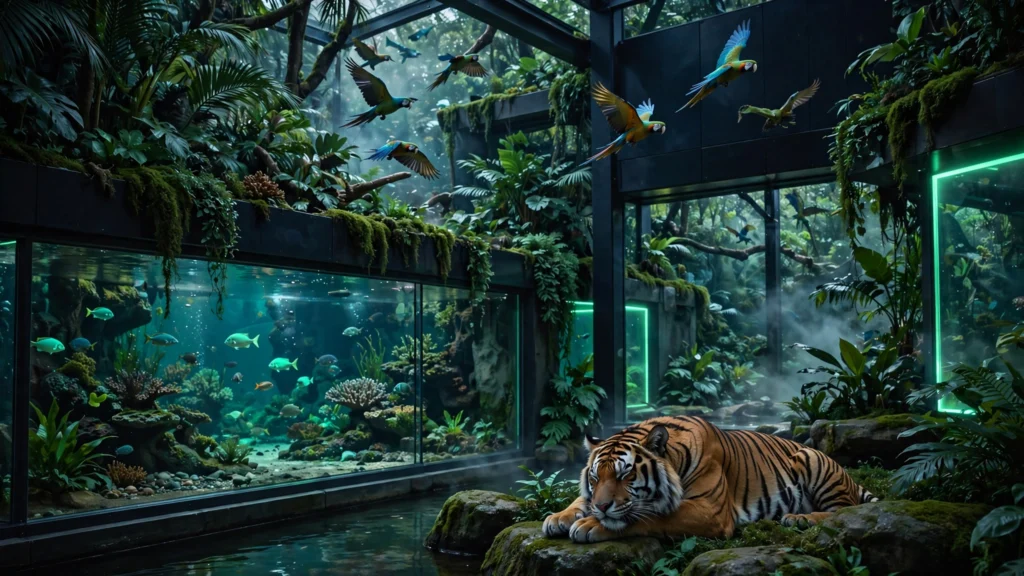
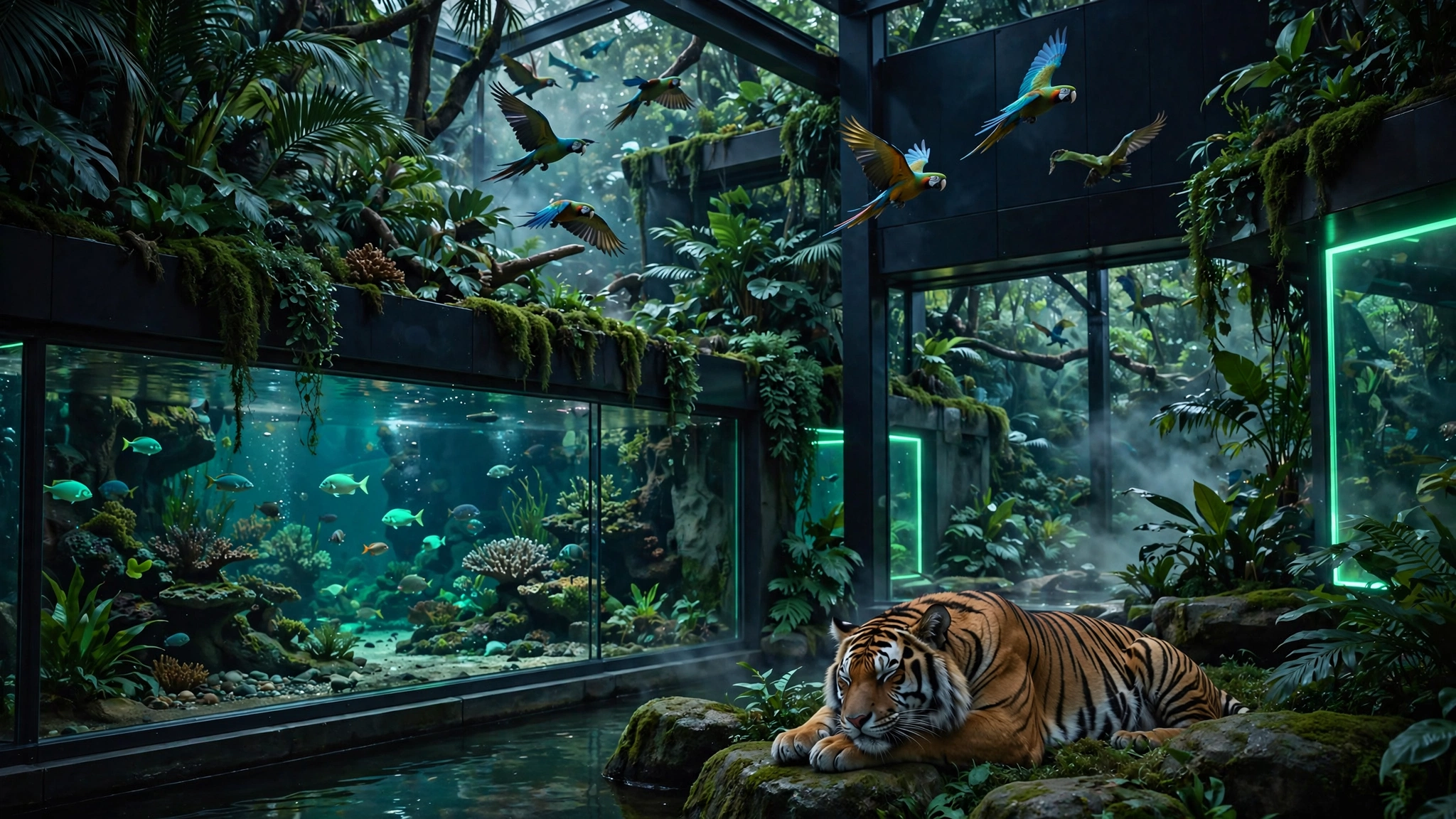
Aquariums. Fully aquatic species finally exist in the Planet Zoo universe: freshwater and saltwater aquariums with transparent walls, water physics, and three-dimensional movement tracking for swimming animals. These required purpose-built systems rather than adaptations of the old habitat tools — the original game was designed entirely around land-based enclosures with ground planes and barrier construction.
Aviaries. Flying birds get volumetric enclosure spaces with a procedural mesh system that generates cover geometry from pole placement, rather than the preset shapes the old game forced on builders. If you’ve ever fought the original’s habitat construction, this one change alone may justify the sequel.
Wildlife Reserves. The headline new mode: expansive, customizable wildlife reserves where you can release your zoo animals into large ecosystems with research outposts, earning conservation research benefits for your zoo. It’s the game’s most explicit nod to real-world conservation, and several reviewers called it the single biggest step up from the original.
Dynamic Needs behavioral system. The old welfare meters told you what an animal needed; the new system shows you how animals act when those needs are or aren’t met. Frontier describes it as the difference between a dashboard and a creature — behavioral emergence instead of parameter management.
Better building tools. Improved terrain tools, more expressive animal behavior and animation, dynamic water reactions, and the Nature Brush are all aimed at fixing what long-time players considered the original’s biggest flaw: construction that was brilliant but tedious.
Planet Zoo 2 Reviews: The Critical Consensus
Planet Zoo 2 sits at a Metacritic 85 — “Generally Favorable” — from 15 reviews, with 14 positive and one mixed. The praise and the complaints are remarkably consistent, and they hinge on the same thing viewed from opposite angles.
- Destructoid called it a worthy successor, praising the aquatic and aviary ecosystems, distinct animal behavior, and improved terrain tools.
- GameSpew (9/10) called it Frontier’s biggest and best game yet, citing upgraded visuals and the conservation focus.
- Push Square (9/10, PS5) praised the visuals, the three game modes, and deep customization.
- But Why Tho? (8/10) singled out the Wildlife Reserves as the game’s biggest step forward.
- Insider Gaming went all the way to 100; IGN, DualShockers and others landed in the 90s.
The dissent is worth hearing. PC Gamer’s 60 — the lowest major score — agrees the animal models, animation, and audio are excellent, then argues the zoo around them gets in the way: convoluted menus, cumbersome habitat creation, and a financial layer so simple you can neglect the zoo and still profit. GameWatcher’s 7.5 echoed the menu complaints, adding weak gamepad support and demanding ray tracing requirements.
The honest read: critics who treat the interface as a hurdle before the payoff score it in the 90s; critics who treat the interface as the game find the zoo a chore. Which camp you’ll fall into depends on how much patience you have for menu-diving — and whether you’re coming from the original (you’ll forgive a lot) or fresh (you’ll notice everything).
One more caveat from the community side: Steam players in the first days reported being “fenced in by bugs” — the usual launch-week instability around a complex sim. Frontier has a good track record of post-launch support (the original received years of DLC and patches), so this is worth watching but not worth panicking over.
Standard vs. Deluxe Edition: Which Should You Buy?
The $15 difference between editions is straightforward. The core game — aquariums, aviaries, Wildlife Reserves, Career mode, Franchise mode, Sandbox mode, and the full standard species roster — is identical in both. The Deluxe Upgrade Pack adds:
- Six exclusive species: Golden Eagle, Golden Lion Tamarin, Great Hammerhead Shark, Axolotl, Blue and Gold Fusilier, and Longfin Batfish
- Exclusive animal signage and decorative items
- Pre-order Bonus Content Pack (for early buyers): a Toucan Eats shop, three unique animal donation bins, a tiger photo stand-in wall
Verdict: buy the Standard Edition unless you’re a completionist who needs the full roster — the exclusive species are a bonus, not the game. If you’re new to the series and on a budget, this is also one of the rare big releases that’s genuinely friendly to mid-range PCs, though you’ll want a decent machine to enjoy the ray tracing and 4K modes.
Planet Zoo 2 Performance and What to Play It On
Planet Zoo 2 is a demanding game by sim standards. The Xbox Series X|S versions target 4K Ultra HD with HDR10 and ray tracing, and the PC version pushes the same features harder on capable hardware — but the ray tracing implementation is notably demanding, and at least one reviewer flagged it as heavy for what it delivers. If your PC is getting long in the tooth, our guide to speeding up a slow machine can buy you some headroom, though a proper hardware refresh may be the real answer for sim fans.
The game supports console keyboard and mouse — a huge deal for a genre built on precise placement — alongside gamepad controls (which, per GameWatcher’s review, remain the weaker option). Cross-platform blueprint sharing means console players can use the community’s best creations without rebuilding them by hand, which meaningfully lowers the barrier for newcomers. And since Franchise mode’s online animal trading is the only online component — the game itself is a single-player experience — your internet connection barely matters, a rare mercy in 2026.
5 Tips for New Planet Zoo 2 Players
Jumping in for the first time? A few lessons the community learned the hard way:
- Start in Career mode before Sandbox. Career teaches the new systems — aquariums, aviaries, Dynamic Needs — in a structured way. Sandbox with everything unlocked is overwhelming on day one.
- Don’t neglect the Workshop. Player-created blueprints are cross-platform and free. Download a great habitat instead of fighting the building tools for your first zoo.
- Watch the Dynamic Needs, not just the meters. Animals now show you their welfare through behavior. If your tigers are pacing, something’s wrong even if the old-style numbers look okay.
- Plan water and power for aquariums early. Aquatic habitats have dedicated zookeeper workflows and infrastructure needs — budget for them before you fall in love with the hammerhead shark.
- Use keyboard and mouse on console. The game supports it, and for precise building it’s dramatically better than the gamepad — which reviewers flagged as the weaker control option.
Is Planet Zoo 2 Worth It?
If you loved the original, yes — the aquariums, aviaries, and Wildlife Reserves are the sequel’s entire reason to exist, and they’re delivered. If you bounced off the original’s interface, the improved building tools help, but the menu-heavy core is unchanged — rent your expectations accordingly.
For everyone else: this is October’s standout sim release in a month dominated by blockbusters — it shares the calendar with Castlevania: Belmont’s Curse and the incoming Call of Duty: Modern Warfare 4 — and it’s the rare game in 2026 that asks you to slow down rather than speed up. Check the best free-to-play games if your wallet needs a breather first; otherwise, the zoo gates are open.