
Google Pixel Tag Launches November 11: Price, Features and Everything to Know
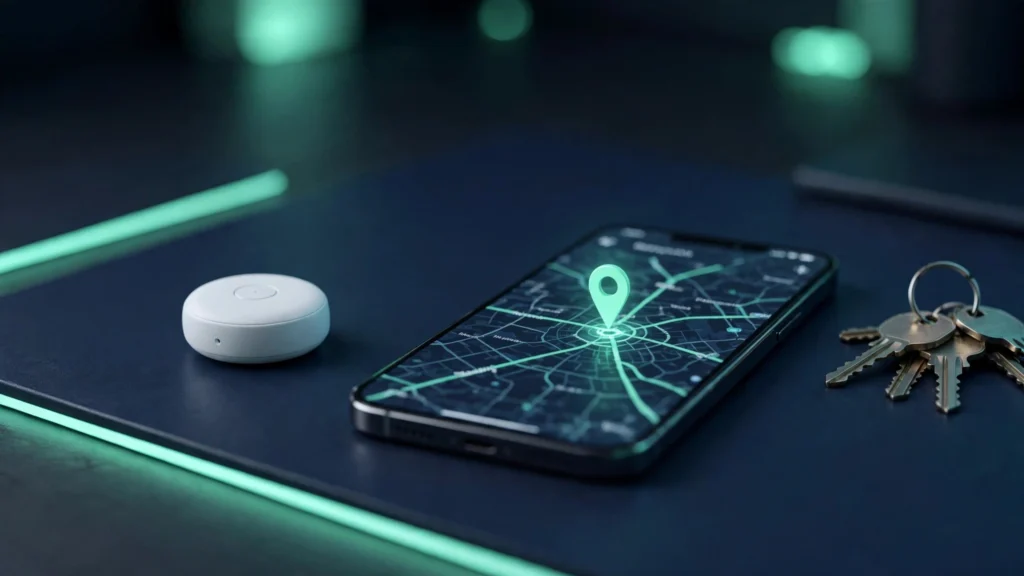
Google is finally joining the item-tracker race. The Google Pixel Tag launches on November 11, 2026, giving Android users a first-party way to keep tabs on keys, bags, luggage, and anything else that has a habit of disappearing. Priced at $29 for a single tag — or $99 for a four-pack — it undercuts Apple’s AirTag on price while plugging directly into Google’s Find Hub network, the Android equivalent of Apple’s Find My. Here is everything we know about the Google Pixel Tag: price, release date, features, and how it stacks up against the competition.
Google Pixel Tag release date and price
The Google Pixel Tag goes on sale on November 11, 2026. Google has confirmed two buying options: a single tag for $29, or a four-pack for $99 — a saving of $17 versus buying four singles, which works out to just under $25 per tag. That pricing puts it below Apple’s AirTag, which retails at $29 for one but $99 for four as well, and well below Tile’s premium trackers.
The four-pack is clearly the intended buy for most people. One tag on your keys, one in your bag, one in your luggage, and one spare for whatever you lose next — that is the pitch, and at $99 it is an easy one to make. Availability at launch covers Google’s usual retail channels, including the Google Store and major online retailers.
What is the Google Pixel Tag?
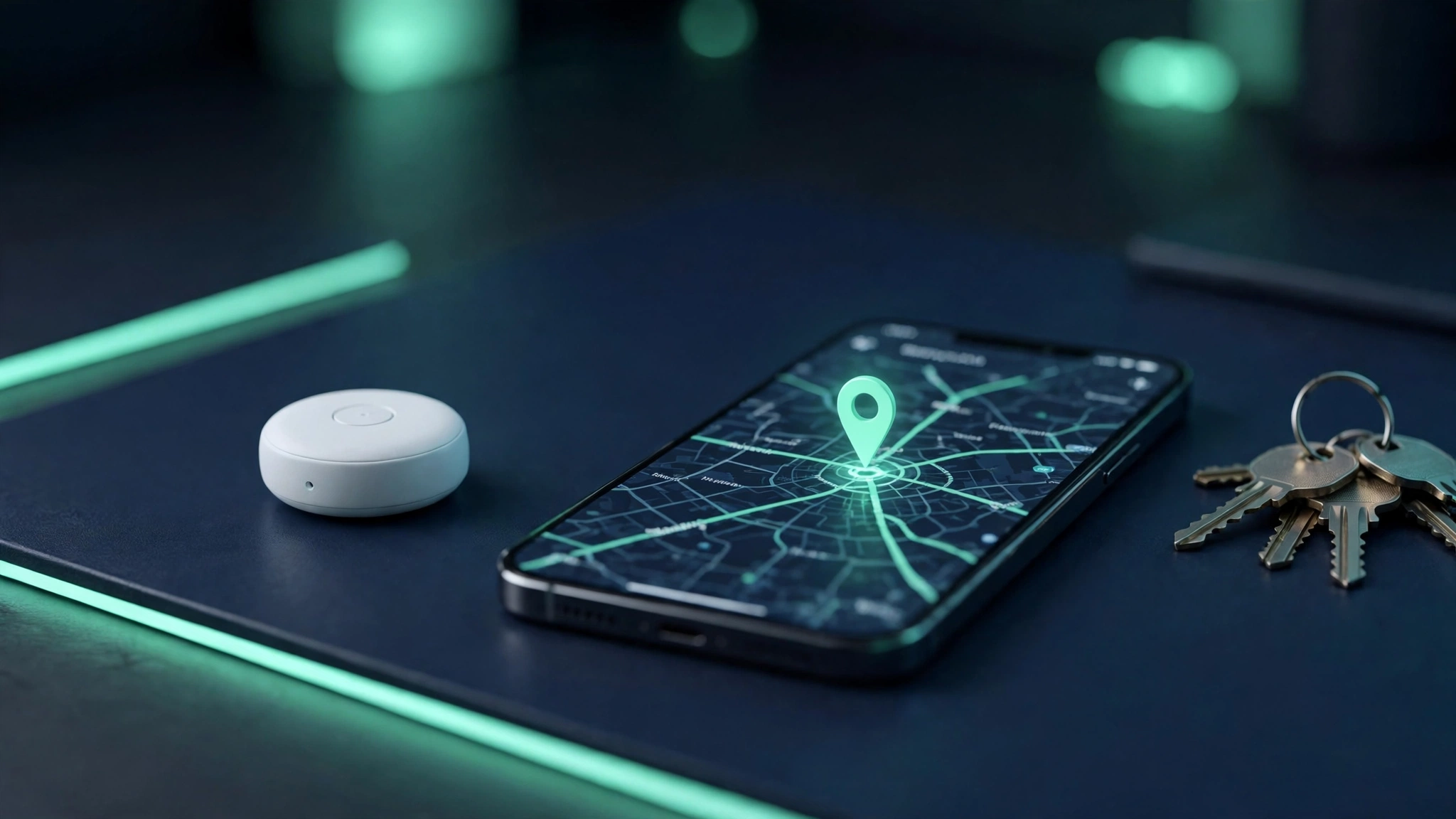
The Google Pixel Tag is a small, round Bluetooth tracker that you attach to anything you do not want to lose. Once paired with your Android phone, it appears in Google’s Find Hub app, where you can see its last known location on a map, play a sound to find it nearby, and get alerts when you leave it behind.
It is Google’s first own-brand tracker, and it arrives at a moment when Android’s tracking network has finally matured. For years, Android users who wanted to track their belongings had to choose between third-party trackers from Tile, Chipolo, or Samsung’s SmartTag — each with its own app and its own limitations. The Pixel Tag changes that by being built for Find Hub from the ground up, with the same deep integration iPhone users have enjoyed with AirTag since 2021.
How the Google Pixel Tag works
The Pixel Tag uses Bluetooth Low Energy to communicate with your phone when it is nearby, and leans on the Find Hub network when it is not. Here is how the system works in practice:
- Nearby finding: When the tag is within Bluetooth range, the Find Hub app can make it play a sound, so you can track it down by ear — under a sofa cushion, at the bottom of a bag, or in the pocket of yesterday’s jacket.
- Crowd finding: When the tag is out of range, the Find Hub network takes over. Any nearby Android device running Find Hub can anonymously detect the tag and report its location to you, encrypted end to end. The network only works because hundreds of millions of Android phones are part of it — and the more phones join, the more accurate it gets.
- Left Behind notifications: Google has confirmed that Find Hub will add Left Behind notifications, alerting you when a tracked item separates from your phone. Leave your keys at the cafe and your phone will tell you before you are halfway home. The Pixel Tag is the first hardware with a committed launch date for this feature, arriving alongside the notifications on November 11.
- Sharing: Like other Find Hub trackers, you can share a tag’s location with family members, so everyone in the household can see where the shared car keys are.
As with Apple’s AirTag, the location data is encrypted, and the phones that relay a tag’s position never know whose tag they are helping to find. That privacy design is now standard across the major tracker networks, and it matters — a tracker network is only useful if people are willing to be part of it.
Google Pixel Tag vs AirTag vs Tile
The tracker market in 2026 is a three-way fight, and the Pixel Tag’s biggest advantage is that it is the native option for Android. Here is how the main contenders compare:
| Tracker | Price | Network | Best for |
|---|---|---|---|
| Google Pixel Tag | $29 / $99 (4-pack) | Find Hub (Android) | Android users |
| Apple AirTag | $29 / $99 (4-pack) | Find My (Apple) | iPhone users |
| Tile Pro | From $34.99 | Tile / Life360 | Cross-platform users |
| Samsung SmartTag 2 | From $29.99 | SmartThings Find | Samsung Galaxy users |
The honest truth is that the best tracker for you is the one that matches your phone. AirTag’s Precision Finding with ultra-wideband is still the gold standard for pinpointing an item in a room, and Apple’s Find My network remains the largest single tracking network in the world. But for the majority of the world’s smartphone users — Android owners — the Pixel Tag is the first tracker that feels like it was made for their phone, not adapted to it.
Cross-platform households have a real decision to make. If your family mixes iPhones and Android phones, a third-party option like Tile works on both, but gives up the deep integration of a first-party tracker. For most people, the practical answer is simple: buy the tracker that matches your phone.
What the Google Pixel Tag means for Android
The Pixel Tag matters beyond its own sales because it completes Android’s answer to Apple’s ecosystem lock-in. Apple has used AirTag and Find My as a quiet reason to stay on iPhone for five years. Google’s Find Hub network has been building quietly in the background — and the Pixel Tag, backed by Google’s own hardware and marketing, is the moment it goes mainstream.
It also arrives alongside a broader push to make Android’s device-finding smarter. Google has been rolling out new Find Hub capabilities through 2026, and the Left Behind notifications launching with the Pixel Tag are the most practical of them: a tracker that tells you that you have forgotten something is far more useful than one that only helps you find it afterwards.
For Pixel phone owners, the timing is good. The Google Pixel 11 is now established as the flagship of the line, and the Pixel Tag slots neatly into the same ecosystem of devices — phone, watch, earbuds, and now tracker. If you own a Pixel Watch, our roundup of the best smartwatches of 2026 shows how the wearable side of that ecosystem compares to the competition.
Should you buy the Google Pixel Tag?
If you use an Android phone and you regularly lose things, yes — and the four-pack is the sensible buy. At $29, a single tag is cheap insurance for your keys or your luggage; at $99 for four, you can cover the things that matter most and still have one spare. The Left Behind notifications alone are worth the price if you have ever left a bag in a taxi or a jacket in a restaurant.
There are a few things to check before you buy. First, make sure your phone runs a version of Android that supports the full Find Hub feature set — Google’s program requires devices running Android 17 QPR2 or later for some of the newest network features. Second, if you already own Tile or Chipolo trackers that work fine, there is no urgent reason to replace them. And third, if you are an iPhone user, the AirTag remains the right choice — the Pixel Tag is an Android-first product, and its best features depend on the Find Hub network.
For Android users, though, the wait is over. The Google Pixel Tag launches November 11, 2026, for $29 — or $99 for four. If you are setting up a new phone to go with it, our guide on how to set up a new phone in 2026 walks through the whole process, and how to back up your phone is worth doing before you switch devices. Small, cheap, and genuinely useful — the Pixel Tag is the rare Google hardware launch that needs no caveats.
Google Pixel Tag: the essentials
- Release date: November 11, 2026
- Price: $29 single, $99 four-pack
- Network: Google Find Hub (Android)
- Key features: Bluetooth finding, crowd-sourced location, Left Behind notifications, location sharing
- Best for: Android users who want a first-party tracker
We will update this article once the Pixel Tag is in stores and real-world battery life, range, and durability results start coming in.